
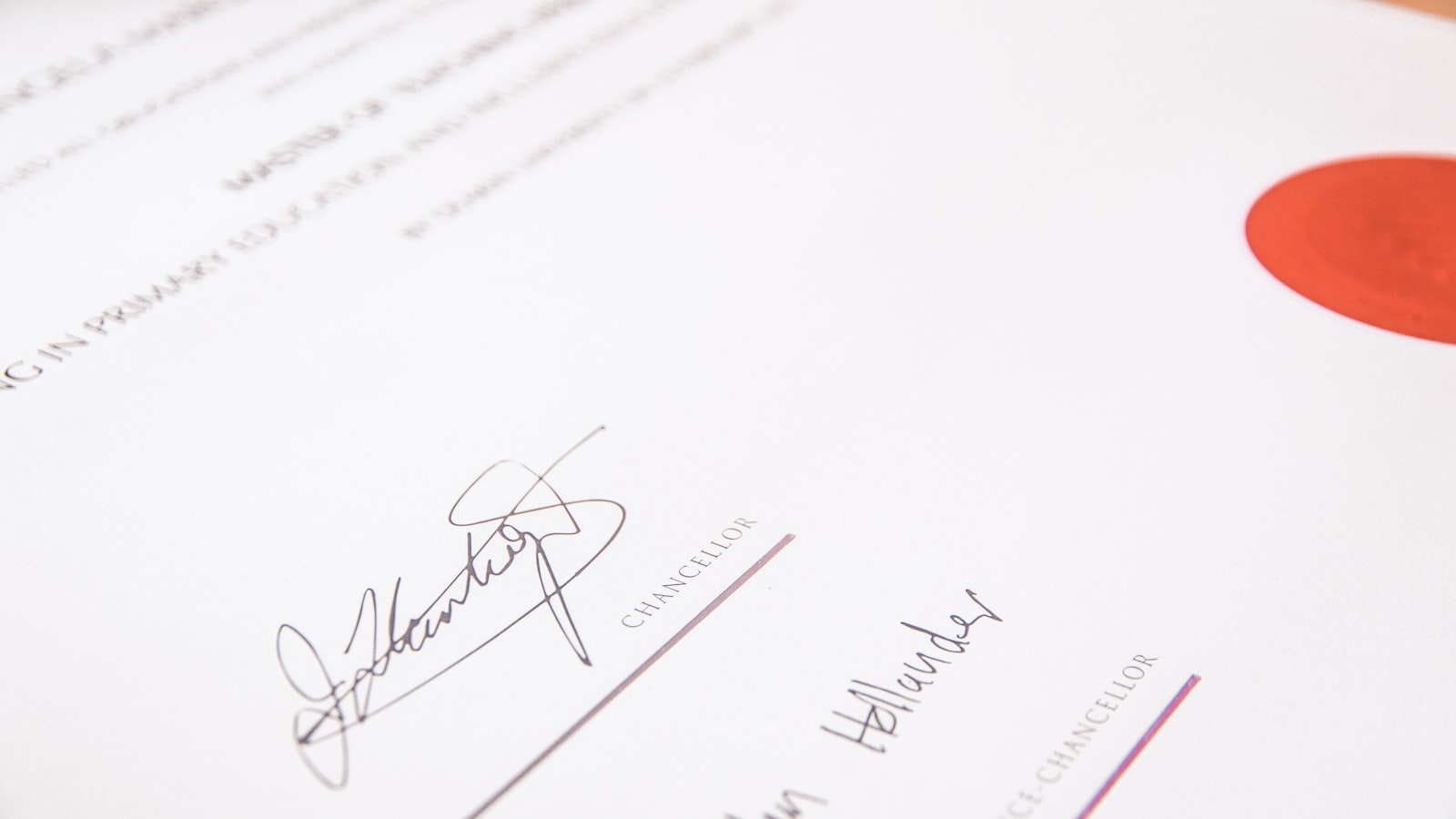
Many people only realize there is a problem with paperwork when an agency, school, court, or employer rejects what they brought. That is why understanding certified copy vs original document rules matters more than ever in 2026. In everyday life, the difference can affect passport applications, enrollment paperwork, immigration files, tax support documents, and court-related requests. A document may look official, but that does not automatically mean it will be accepted.
The confusion usually starts with a simple assumption: if a photocopy is clear, it should be enough. In practice, many institutions want either the original record or a certified copy issued by the proper authority. If you bring the wrong version, you can face delays, resubmission fees, missed appointments, or even a rejected application.
This guide explains what a certified copy is, how it differs from an original document, where people often make mistakes, and how to prepare the right paperwork the first time. If you regularly deal with identity records, estate paperwork, or notarized forms, this is one of those small details that can save a lot of stress.
Certified Copy vs Original Document: The Basic Difference
An original document is the first official record or the version issued directly by the authority that created it. Examples include a birth certificate issued by a vital records office, a court order bearing the clerk’s certification, or a diploma provided by a school.
A certified copy is a copy that has been officially confirmed as a true and accurate reproduction of the original record by the agency or office authorized to do so. That certification usually appears as a seal, stamp, signature, or certificate attached to the copy.
In simple terms:
- Original = the primary official document.
- Certified copy = an officially validated copy accepted in place of the original in many situations.
- Regular photocopy = usually not enough for legal or government use unless the receiving party specifically allows it.
This distinction is especially important because different organizations set different acceptance rules. A bank may want to inspect the original. A court filing office may accept a certified copy. A school may accept a plain copy for intake but later require an official record before final approval.
Why This Topic Is Fresh in 2026
In 2026, paperwork review remains strict across government and institutional processes. Federal agencies continue to emphasize document support, identity verification, and official English translations when records come from other countries. That means people are paying more attention not just to the content of a document, but to whether the format is acceptable.
For example, tax-related support requests may ask for photocopies of specific proof documents, while immigration and visa processes often require originals, court-sealed records, or certified translations depending on the case. This mix of rules creates confusion because there is no single answer that applies everywhere.
If your records are in another language, it is also smart to review common issues around certified translation for legal documents, since translation problems often happen alongside copy-versus-original mistakes.
Documents People Commonly Misunderstand
Some documents create more confusion than others because they are used across many legal and administrative settings.
1. Birth certificates
A hospital souvenir certificate is not the same as a certified birth certificate from the state or county vital records office. For passports, immigration filings, and many benefit applications, the certified record is usually what matters.
2. Marriage certificates and divorce decrees
People often keep ceremonial versions at home, but agencies may require a certified record issued by the clerk or vital records office. This becomes important when changing names, updating tax information, or proving marital history.
3. Court papers
Unsigned printouts from an online case portal may not be enough. If a court, lender, or government office asks for proof, they may want a certified copy from the clerk that includes the seal and case details.

4. School transcripts and diplomas
An unofficial student portal screenshot may work for personal reference, but employers, licensing boards, and graduate programs often require official or certified academic records.
5. Identity and tax support documents
In some IRS-related situations, the agency requests photocopies of supporting documents, not originals. In others, a different office may insist on certified records or originals. That is why reading the exact request notice matters.
When You Need the Original Instead of a Certified Copy
Although certified copies are widely accepted, there are situations where the original is still preferred or required.
- In-person identity verification: Some offices want to inspect the original ID or record at the counter.
- One-time source review: A receiving party may compare the original before returning it to you.
- High-stakes transactions: Probate, real estate, or court-sensitive matters may call for the original or a freshly issued certified copy.
- Foreign use: International applications may require original civil records plus translation and, in some cases, additional authentication.
When the instructions say “original only,” do not assume a notarized photocopy will substitute. Notarization and certification are not the same thing. A notary may verify identity and witness signatures, but that does not automatically turn a plain copy into a government-certified record.
If you are already dealing with forms that must be sworn or signed formally, it also helps to understand which legal documents commonly require notarization so you do not mix up the document rules.
When a Certified Copy Is Usually the Better Choice
In many practical situations, a certified copy is safer than handing over your only original.
Use a certified copy when:
- You need to mail the document to an agency.
- You are submitting paperwork to a school, court, or licensing board.
- You want to protect the original from loss or damage.
- You need multiple legally acceptable versions for separate applications.
This is especially helpful for records that are expensive or slow to replace. Losing an original court order, adoption record, or naturalization-related paper can create major delays. A certified copy lets you meet formal requirements while reducing that risk.
How to Know What the Receiving Office Will Accept
The fastest way to avoid rejection is to stop guessing and check the receiving office’s exact wording. Look for phrases such as:
- “Original document required”
- “Certified copy accepted”
- “Photocopies only, do not send originals”
- “Must include official seal”
- “Documents not in English must include a certified translation”
If the instruction page is unclear, call or email before sending anything. Ask one precise question: Do you require the original, a certified copy, or will a plain photocopy be accepted? That single step can prevent weeks of delay.
For foreign-language paperwork, agencies such as U.S. visa-processing offices commonly require English translations for documents that are not in English. The IRS also references certified English translation standards in some foreign document contexts. If your file includes overseas records, it is worth checking the official agency instructions directly through resources like the U.S. Department of State or the IRS.
Common Mistakes That Cause Document Rejections
Most rejections happen because of preventable errors, not because the person had the wrong legal issue.
Using a notarized copy when a certified copy is required
This is one of the biggest misunderstandings. A notarized statement may confirm who signed something, but it does not replace certification from the document’s issuing authority.
Submitting decorative or ceremonial versions
Souvenir birth certificates, ceremonial marriage certificates, and download-only printouts often look formal but may not meet agency standards.
Mailing the only original without checking
Some offices specifically ask for photocopies. Sending the original can expose you to unnecessary loss and replacement trouble.
Ignoring translation rules
A valid foreign record can still be rejected if it is not accompanied by the required English translation.
Assuming every state or office follows the same rule
They do not. Acceptance standards can differ by agency, program, and purpose.
If identity verification is part of your process, it may also help to read about digital ID for notarization in 2026, especially if you are combining remote paperwork with document submission.
A Practical Checklist Before You Submit Any Legal Document
Use this checklist before mailing, uploading, or presenting paperwork:
- Read the exact submission instructions from the receiving office.
- Confirm whether they want an original, certified copy, or plain photocopy.
- Check whether the copy needs a seal, certification page, or issuance date.
- Verify whether translation is required.
- Make a personal copy of everything you send.
- Do not surrender your only original unless the instructions clearly require it.
- Order extra certified copies for major life events such as marriage, divorce, adoption, or probate.
This small system works well because document problems are usually procedural. The paper itself may be valid, but the format, source, or certification may be wrong for that specific use.
Final Thoughts
The real lesson behind certified copy vs original document is simple: legal paperwork is not only about what the document says, but also about how it is issued and presented. In 2026, that detail still affects passports, school admissions, court matters, and government filings more than many people expect.
When in doubt, rely on the receiving office’s written instructions, protect your originals, and obtain certified copies from the proper issuing authority whenever possible. That extra step is often the difference between a smooth process and a frustrating delay.
If this guide helped, share it with someone organizing personal records, and explore more document tips on Awihe.Net to avoid costly paperwork mistakes before your next filing or appointment.

With over 10 years of experience navigating the world of notary and legal documents, I have helped thousands of people understand the ins and outs of notarization in the United States. What started as a personal need to understand legal paperwork has turned into a passion for helping others. Here I share everything I know – from how to find a notary near you to understanding complex legal documents. My mission is simple: making notary and legal services easy to understand for everyone.