
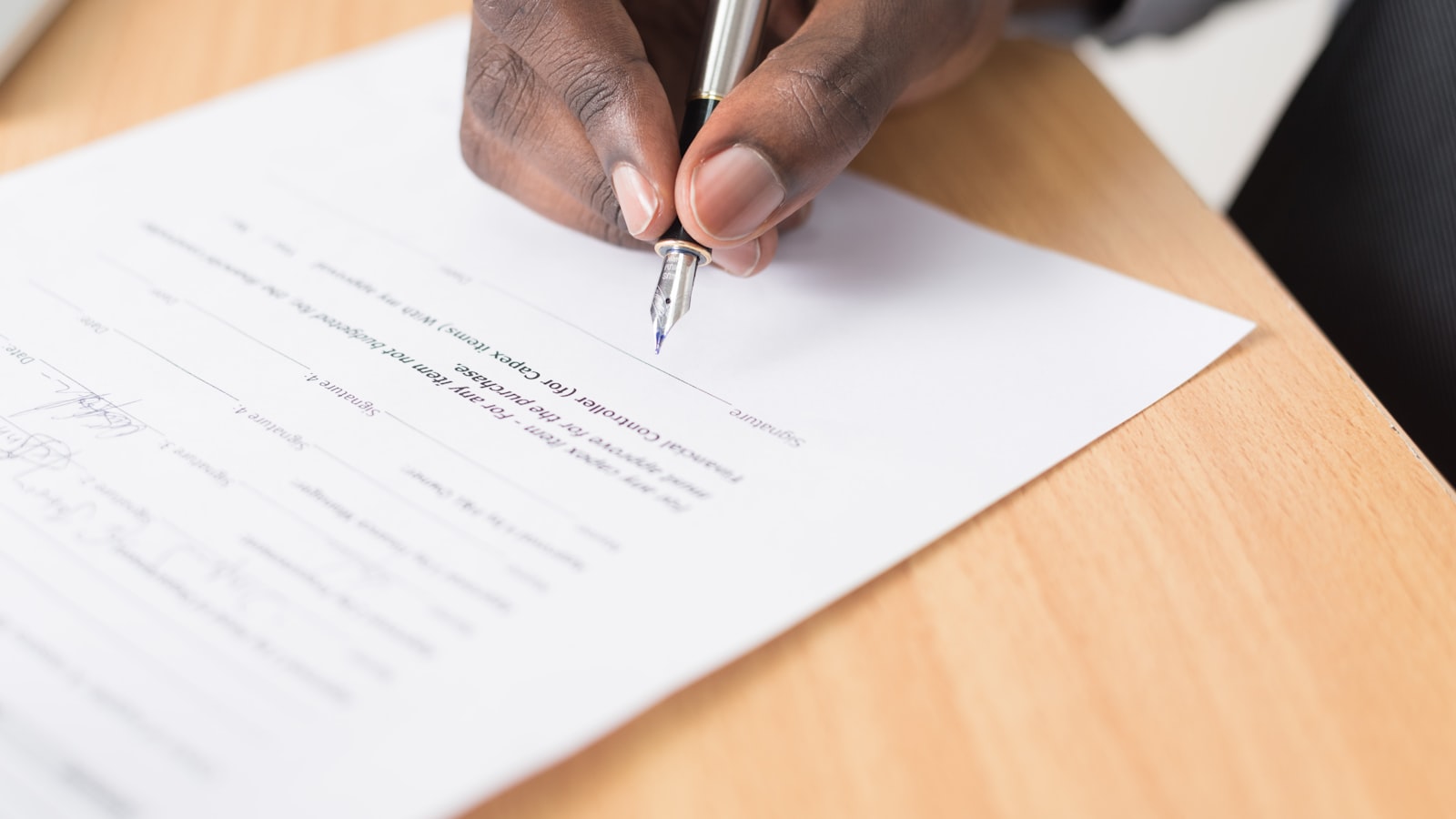
Handing over legal documents to a stranger takes trust. That is why concerns about fake notary services are growing in 2026, especially as more people search online for fast appointments, same-day help, and remote options. The convenience is real, but so is the risk. A polished website, a social media page, or a text saying “available now” does not automatically mean the service is legitimate.
For signers, the biggest problem is simple: once personal documents, signatures, addresses, and ID details are shared with the wrong person, the damage can be difficult to undo. Delays, rejected paperwork, privacy issues, and even fraud can follow. The good news is that most scams leave clues. If you know what to check before booking, you can avoid a bad experience and find a notary service that is professional, compliant, and transparent.
In this guide, you will learn the most important warning signs, the questions to ask before confirming an appointment, and the practical steps to protect your documents.
Why fake notary services are becoming easier to miss
Many people assume a scam will look obvious. In reality, some fake providers copy the language, pricing style, and branding of real businesses. They may use terms like “certified,” “licensed,” or “approved” in ways that sound official without actually proving anything. Others promote urgent same-day service and pressure customers to send documents first and ask questions later.
This is especially risky for people who are dealing with time-sensitive forms such as affidavits, power of attorney packets, school letters, travel consent forms, or property-related paperwork. When you are in a hurry, it is easier to overlook missing details.
That is why it helps to slow down and compare the provider’s claims with what a real notarization process should look like. If you are still new to the process, reading this step-by-step notarization guide can help you understand what a standard appointment usually involves.
7 red flags that may signal fake notary services
Not every unprofessional provider is a scam, but these warning signs deserve attention. If you notice more than one, it is smart to pause and verify the service before moving forward.
1. They avoid explaining their commission details
A legitimate notary should be able to clearly state the state where they are commissioned and what type of notarizations they are authorized to perform. If the person becomes vague, defensive, or changes the subject, that is a problem.
You do not need a long speech from them. But you should get direct answers to basic questions such as:
- Which state are you commissioned in?
- What type of notarization can you perform?
- Do you offer in-person, mobile, or remote service?
- What ID will I need to show?
If those questions are treated like an annoyance, walk away.
2. They ask you to sign before the appointment
One of the clearest warning signs is being told to sign the document in advance without proper instructions. In many cases, a notary must witness the signature or follow the notarial rules that apply to the document and the state. A provider who casually says, “Just sign it and send me a photo,” may be skipping a critical legal step.
This does not mean every document must always be unsigned beforehand, because some situations vary. But a real notary should explain what to do based on the type of notarization, not guess or rush you.
3. They demand full document scans too early
Be cautious if someone asks for complete document files and ID images before you have verified who they are. In some cases, a legitimate notary may need limited information to confirm the appointment or review whether the document appears complete. But sending sensitive files too early increases your privacy risk.
A safer approach is to first confirm the provider’s business identity, service type, and booking terms. Only then should you share what is truly necessary.

4. Their pricing is strangely unclear
Scam listings often use bait pricing. You may see a low advertised rate, but once contact begins, the total suddenly changes because of “processing,” “verification,” or “release” fees. A trustworthy notary service should explain how fees work before the appointment, especially if travel or after-hours service is involved.
If you want a better sense of how pricing questions should be handled, this article on notary fee changes in 2026 is worth reading.
5. They promise outcomes a notary cannot legally guarantee
A notary verifies identity and carries out a notarial act. A notary does not approve your immigration case, guarantee court acceptance, promise an apostille result, or decide whether a contract is legally “safe.” If a provider markets notarization as if they can deliver legal approval, that is a major red flag.
This is where many consumers get confused. A professional notary may help with the notarial step, but legal advice belongs to a qualified attorney, not to a random online listing using official-sounding language.
6. Their online presence looks real, but key trust details are missing
A modern website alone proves very little. Look for practical trust markers instead:
- Clear business name and contact information
- Service area or state of commission
- Appointment process explained in plain language
- Fee structure or at least fee categories
- Policies for identification and document handling
If the site has only a phone number, a payment link, and big promises, be careful. Minimal transparency is common in scam setups.
7. They pressure you to act immediately
Pressure is one of the oldest tricks in fraud. A scammer may say your deadline will be missed unless you pay in the next 10 minutes or upload your ID right away. Real notary professionals understand that clients may need a moment to confirm requirements, compare options, or ask questions.
Urgency does not always mean fraud, but artificial urgency should put you on alert.
How to verify a notary service before booking
You do not need to investigate for hours. A short verification routine can filter out many risky providers.
Check the basics first
- Ask for the notary’s commissioned state.
- Confirm the type of service offered: in-person, mobile, or remote.
- Ask what identification is accepted.
- Request a clear explanation of fees before sending payment.
Review how they communicate
Professional communication matters. Legitimate providers usually explain the next steps in a calm, organized way. They tell you what to bring, how long it may take, and whether witnesses are needed. If you need a refresher on preparation, this guide on what to bring to a notary appointment can help you avoid surprises.
Watch for legal overreach
If the provider starts interpreting your legal rights or telling you what document form to choose, that is a warning sign unless they are separately qualified to provide legal advice in your state. The National Notary Association offers a useful overview of what a notary does and does not do.
Best practices to protect your documents
Even when a service appears legitimate, smart document habits still matter. These steps reduce risk and make the appointment smoother:
- Share only what is necessary. Do not send full ID images or complete legal packets before you understand why they are needed.
- Use official contact channels. Book through the business website, listed email, or verified phone number rather than random direct messages.
- Check the document for blank spaces. Large blanks can create problems later if they are filled in after notarization.
- Understand the service format. If the appointment is remote, learn how identity verification and video signing work in advance.
- Keep your own records. Save appointment confirmations, receipts, and communication in case you need proof later.
For consumers using digital services, the Federal Trade Commission consumer guidance is also useful for recognizing common online fraud tactics.
When to walk away immediately
Some situations are not worth “giving one more chance.” Stop the process if the provider:
- Refuses to identify their commission state
- Asks for unusual upfront payment methods with no clear invoice
- Requests sensitive documents before basic verification
- Promises legal results outside a notary’s role
- Pushes you to ignore your own concerns
Trust your instincts here. A rushed or sloppy notarization can create more trouble than a short delay.
Final takeaway for signers in 2026
The rise of faster, more flexible appointments is good news for consumers, but it also means fake notary services can blend in more easily than before. The safest approach is not fear. It is verification. Ask direct questions, look for transparency, and do not hand over sensitive documents just because a listing appears convenient.
A legitimate notary service should make the process feel clearer, not more confusing. If the provider cannot explain who they are, what they do, and how the appointment works, keep looking.
If this guide helped, share it with someone who may need notarization soon, leave a comment with the red flags you have seen, and explore more Awihe.Net articles to make your next notary appointment easier and safer.

With over 10 years of experience navigating the world of notary and legal documents, I have helped thousands of people understand the ins and outs of notarization in the United States. What started as a personal need to understand legal paperwork has turned into a passion for helping others. Here I share everything I know – from how to find a notary near you to understanding complex legal documents. My mission is simple: making notary and legal services easy to understand for everyone.